
Projects
How to Build a Sturdy Workbench
A flat, stable workbench is the foundation of any workshop. This guide covers lumber selection, top flattening, and vise installation using Canadian Douglas-fir and maple.
Step-by-step plans, tool selection guides, and joinery techniques for furniture, shelving, and outdoor structures — with practical notes for Canadian climates and lumber grades.
Articles
Detailed walkthroughs for common woodworking projects, from a first workbench to outdoor structures that handle Canadian winters.
A flat, stable workbench is the foundation of any workshop. This guide covers lumber selection, top flattening, and vise installation using Canadian Douglas-fir and maple.

Mortise-and-tenon, dovetail, and box joints each serve different structural roles. This overview covers when to use each method and how to cut them accurately with hand tools.
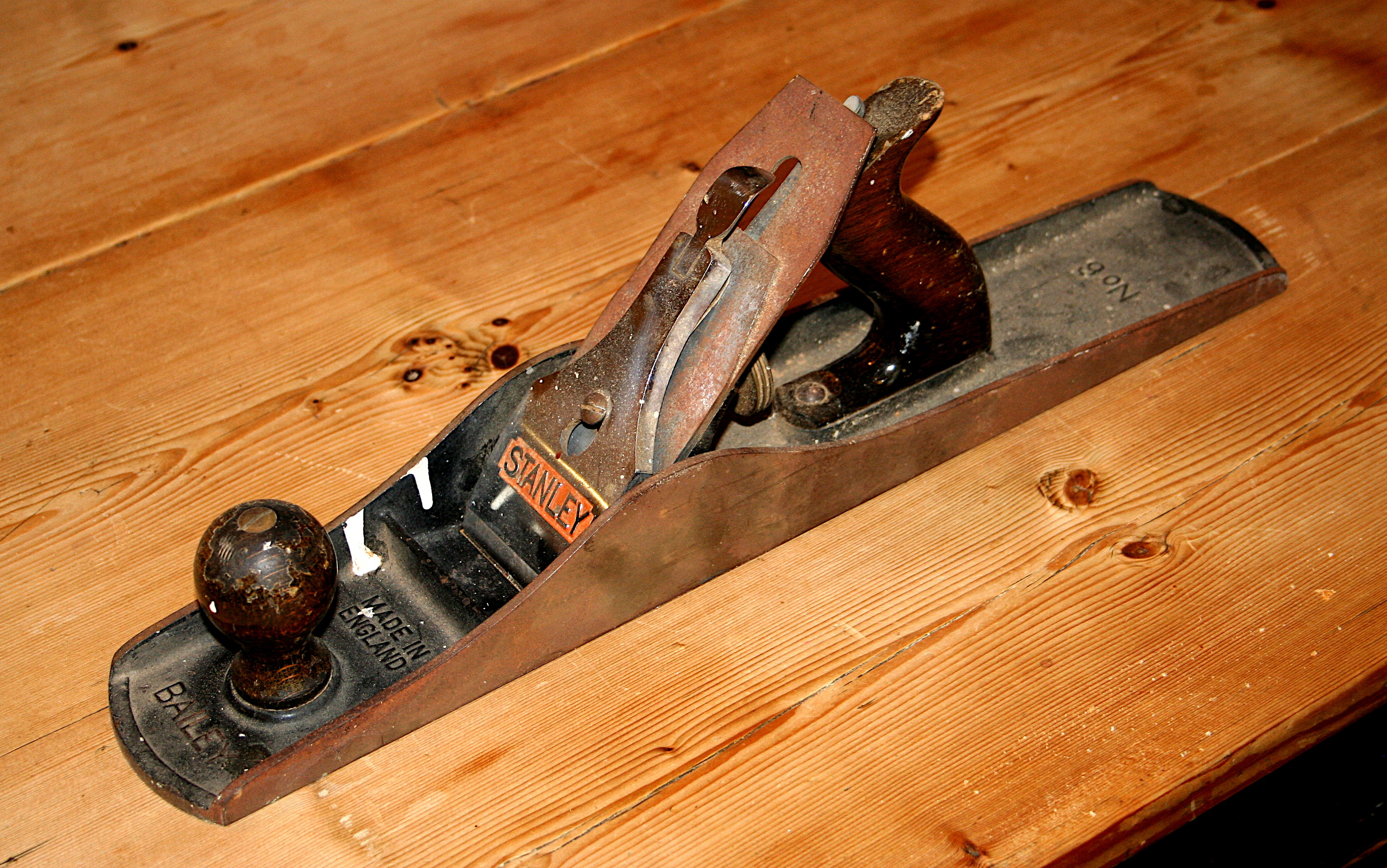
A well-chosen set of hand tools outlasts power tools and works quietly in any shop. Covers planes, chisels, handsaws, and marking tools with notes on Canadian suppliers.

Workshop Setup
A productive woodworking space does not require a large footprint. Proper lighting, a dedicated lumber storage area, and a dust collection strategy have more impact on output than floor square footage.
In Canadian climates, thermal mass and humidity control matter. Solid wood responds to moisture changes, so storing lumber in the workshop for several weeks before use reduces warping and splitting during construction.
Read the workbench guide →Topics
Step-by-step instructions for furniture, shelving units, garden beds, and outdoor structures, with cut lists and assembly diagrams.
Coverage of hand planes, chisels, marking gauges, saws, and sharpening systems with notes on sourcing quality tools in Canada.
Detailed explanations of mortise-and-tenon, dovetail, box joint, dowel, and biscuit joinery — including when each method is appropriate.
Guidance on choosing between softwoods and hardwoods, understanding Canadian lumber grades, and working with species like white ash, maple, and cedar.
Oil, wax, shellac, and water-based polyurethane — each finish behaves differently. Notes cover application, dry time, and durability for indoor and outdoor use.
Pergolas, raised garden beds, deck benches, and storage sheds built for Canadian weather, using rot-resistant species and appropriate fasteners.
Joinery
Glue and fasteners can compensate for poor joinery only temporarily. A mortise-and-tenon joint, cut to fit with a close tolerance and properly glued, resists racking forces that would split a butt joint within a few years of seasonal movement.
The joint chosen should reflect the direction of stress, the species being joined, and whether the piece will live indoors or outdoors.
Explore joinery techniques →